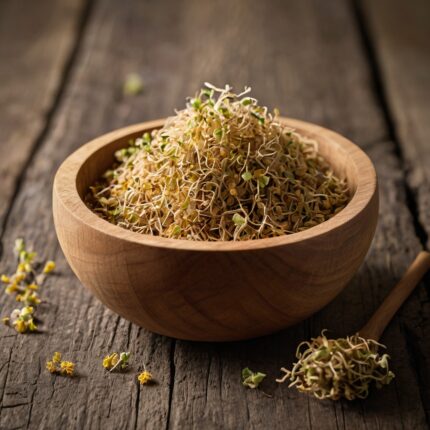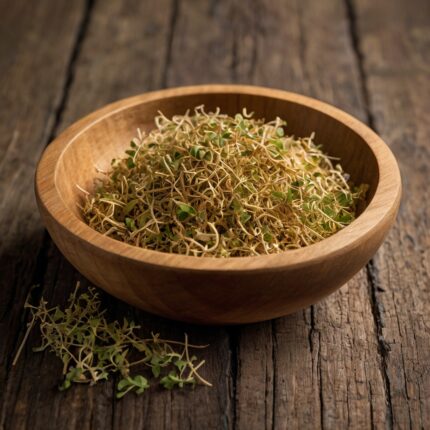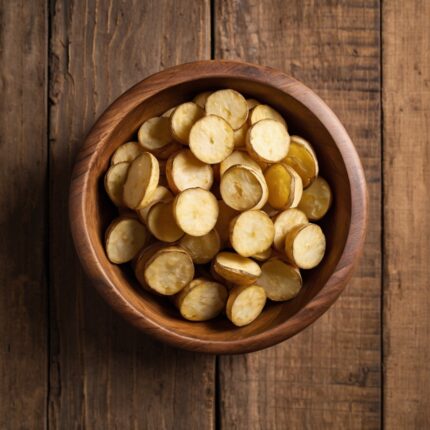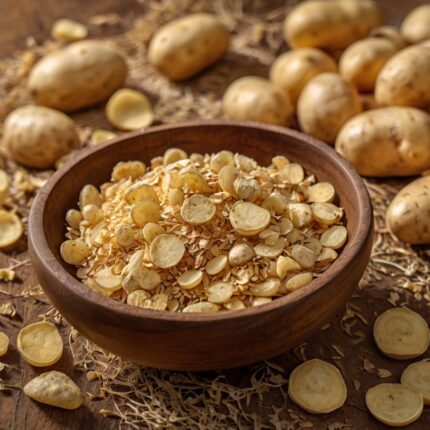

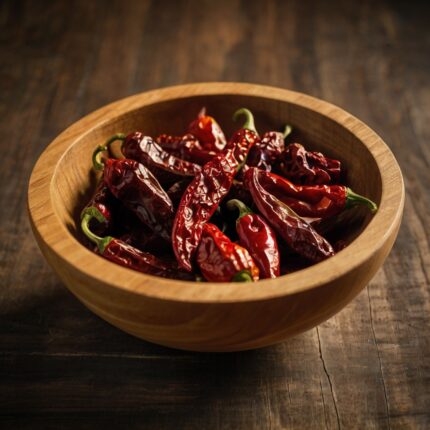
Dried chickpeas are a type of legume that is commonly used in cooking Dried chickpeas come in various types
- Whole dried chickpeas This type retains its outer skin and is often green or yellow in color It needs to be soaked before cooking
- Split chickpeas The outer skin has been removed and the chickpea is split into two halves This type cooks faster and does not require soaking
Nutritional Benefits:
- Rich in protein and fiber.
- Rich in vitamins such as B1 (thiamine) and minerals like potassium and iron.
- Low in fat and calories.
Common uses:
- Soups: Such as split chickpea soup.
- Curries and stews.
- Mashes and dips.
Cooking tips:
- Whole chickpeas should be soaked for 6 to 8 hours before cooking to reduce cooking time.
- Split chickpeas usually cook in 30 to 45 minutes without soaking.
- Add salt or acidic ingredients (such as tomatoes) after the chickpeas have softened to prevent them from becoming tough.
Dried chickpeas as a versatile ingredient:
Dried chickpeas can be used as a raw material in various industries. Below are some of its key applications:
Food and beverage industry:
- Flour production: Dried chickpeas are ground into chickpea flour, which is gluten-free and used in baking, snacks, and pasta.
- Plant-based protein: Protein extracted from chickpeas is used in meat alternatives, protein bars, and shakes.
- Chickpea starch: Used as a thickening agent in soups, sauces, and desserts.
- Snack production: Roasted chickpeas or chickpea-based chips are popular healthy snack options.
- Mashes and soups: Used in soups, baby foods, or as a thickening agent.
Animal feed:
- Animal feed: Due to its high protein content, dried chickpeas are a cost-effective ingredient in feed for cattle, poultry, and pigs.
- Pet food: Used as a protein source in high-quality pet food products.
Industrial applications:
- Bioplastics: Chickpea starch can be used in the production of biodegradable plastics.
- Adhesives: Starch derived from chickpeas is used in the production of eco-friendly adhesives.
- Textile industry: Chickpea proteins can be part of coatings or textile finishes.
Cosmetic and pharmaceutical:
- Skincare products: Chickpea peptides are included in anti-aging and moisturizing formulations.
- Dietary supplements: Chickpea protein is a popular ingredient in vegan or plant-based supplements.
Agriculture and sustainability:
- Soil fertility: Chickpea residues, which are rich in nitrogen, are used as organic fertilizer or compost material.
- Aquaculture: Chickpea protein is used as a sustainable alternative to fishmeal in fish feed.
| Nutrients | Amount per 100 grams of dried chickpeas |
| Calories | 341kcal |
| protain | 25g |
| fat | 1.2g |
| Carbohydrates | 60 grams |
| Dietary fiber | 25grams |
| sugar | 5 g |
| watter | 10g |
| Vitamin A | 38international | units
| Vitamin C | 1milligram |
| Vitamin b6 | 0.3milligram |
| Folate (Vitamin B9) | 274micrograms |
| Iron | 4.8milligrams |
| Magnesium | 115milligrams |
| Phosphorus | 366 milligrams |
| putasiom | 986 |
| Calcium | 64 |
| zinc | 3.0 |